In the realm of home maintenance, HVAC emergencies stand out as critical situations that demand immediate attention. From sudden breakdowns to potential safety hazards, understanding how to navigate these emergencies is essential for homeowners. This comprehensive guide delves into the key aspects of HVAC emergencies, offering insights and practical tips to help you handle them with confidence.
Understanding HVAC Emergencies
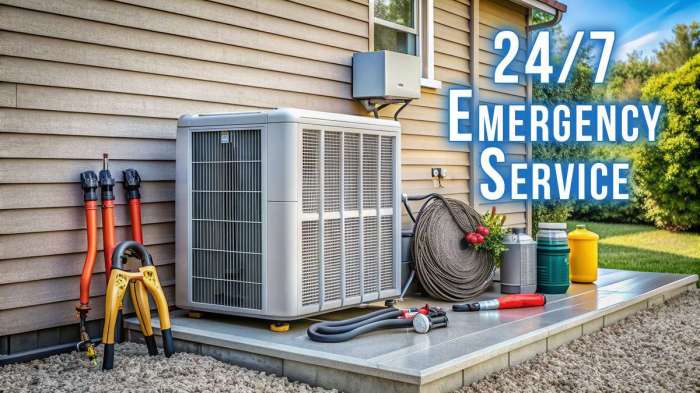
An HVAC emergency refers to any sudden and serious issue with your heating, ventilation, or air conditioning system that requires immediate attention to prevent further damage or discomfort. These emergencies can range from a complete system breakdown to a gas leak or carbon monoxide issue.Ignoring HVAC emergencies can lead to a variety of risks and consequences.
Not only can it result in a lack of heating or cooling in your home, but it can also pose health and safety hazards to you and your family. For example, a gas leak can be extremely dangerous and may lead to fire or explosion if not addressed promptly.
Similarly, a malfunctioning furnace can release carbon monoxide, a colorless and odorless gas that can be deadly if inhaled in high concentrations.
Common HVAC Emergencies
- Furnace breakdown during winter months, leaving you without heat.
- Air conditioner failure in the peak of summer, leading to extreme discomfort.
- Refrigerant leaks, which can impact the system's efficiency and cause potential health risks.
- Blocked vents or ducts, resulting in poor air circulation and potential overheating of the system.
Identifying HVAC Emergency Signs
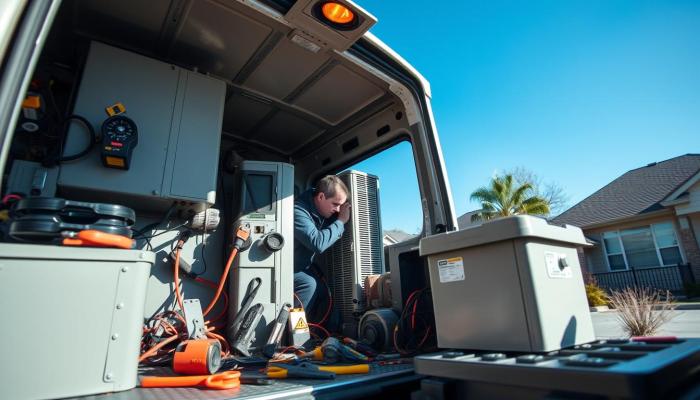
When it comes to your HVAC system, being able to recognize signs of an emergency is crucial in order to prevent further damage and ensure the safety and comfort of your home. Here are some key signs to look out for:
Specific Signs of HVAC Emergencies
- Strange or loud noises coming from the system
- Burning smells or smoke emitting from the vents
- Complete loss of heating or cooling
- Leaks or pooling of water around the unit
- Unusually high or low humidity levels in the home
Differentiating Routine Issues from Emergencies
- Routine issues can often be resolved with basic troubleshooting or maintenance, while emergencies require immediate attention to prevent further damage.
- If the issue poses a risk to the safety or health of your household, it is likely an emergency.
- Loss of heating or cooling during extreme weather conditions is another indicator of an emergency.
Recognizing the Need for Professional Help
- If you are unable to identify or resolve the issue on your own, it is best to contact a professional HVAC technician.
- Emergency HVAC situations typically require the expertise of a trained professional to safely and effectively address the problem.
- Do not attempt to repair or troubleshoot complex HVAC issues on your own, as this can lead to further damage and safety hazards.
Responding to HVAC Emergencies
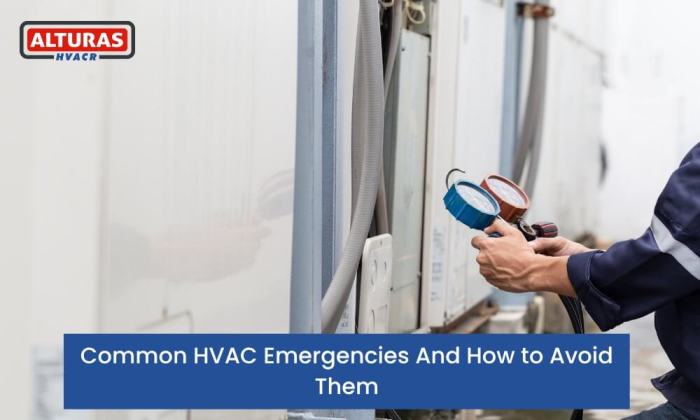
In the event of an HVAC emergency, it is crucial for homeowners to act promptly and responsibly to ensure the safety of their household and property.
Immediate Steps to Take
- Turn off the HVAC system: The first step is to shut off the HVAC system to prevent further damage or hazards. Locate the emergency shut-off switch, typically found near the unit or on the main electrical panel.
- Contact a professional: Reach out to a licensed HVAC technician as soon as possible to assess the situation and provide necessary repairs.
- Evacuate the area: If there is a strong smell of gas or smoke, evacuate the premises immediately and call emergency services.
Safety Measures to Follow
- Avoid DIY repairs: HVAC systems are complex and potentially dangerous if mishandled. It is best to leave repairs to trained professionals.
- Keep children and pets away: During an HVAC emergency, keep children and pets at a safe distance from the affected area to prevent accidents.
- Ensure proper ventilation: If there is a gas leak or carbon monoxide issue, open windows and doors to ventilate the space while awaiting professional assistance.
Shutting Off the HVAC System
Locate the emergency shut-off switch near the unit or on the main electrical panel. Turn the switch to the "off" position to cut power to the system.
Preventing HVAC Emergencies
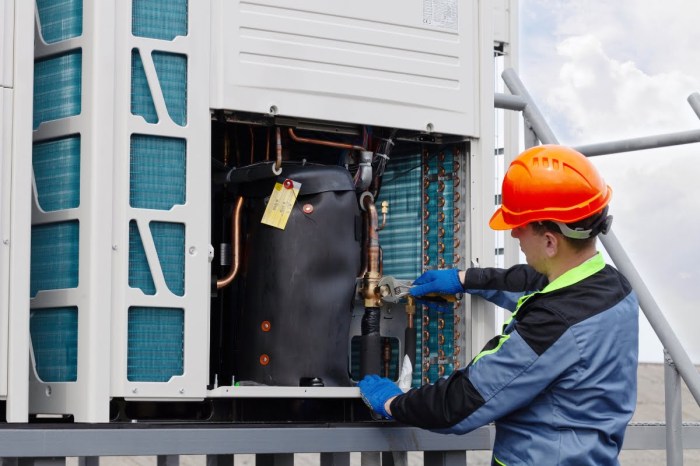
Regular maintenance is key to preventing HVAC emergencies. By performing preventive tasks and scheduling routine inspections, homeowners can reduce the risk of sudden breakdowns and costly repairs. Here are some tips to help you maintain your HVAC system and avoid emergencies:
Importance of Regular HVAC Inspections and Servicing
Regular HVAC inspections by a professional technician can help identify potential issues before they escalate into emergencies. During these inspections, the technician will check for any signs of wear and tear, clean the system, and make any necessary repairs. By addressing small problems early on, you can prevent major breakdowns and prolong the lifespan of your HVAC system.
Preventive Maintenance Tasks
- Change air filters regularly: Clogged filters can restrict airflow and strain the system, leading to breakdowns.
- Clean vents and ducts: Dust and debris can accumulate in the vents and ducts, hindering air circulation and causing inefficiencies.
- Inspect and clean outdoor unit: Ensure that the outdoor unit is free from debris and vegetation, as these can obstruct airflow and affect performance.
- Check thermostat settings: Make sure your thermostat is set correctly to avoid overworking the system.
- Monitor refrigerant levels: Low refrigerant levels can indicate a leak and affect the system's cooling capacity.
Proactive Homeowner Maintenance
- Keep the area around the indoor and outdoor units clear of obstructions.
- Monitor your system for any unusual noises, odors, or fluctuations in temperature.
- Schedule annual maintenance with a professional HVAC technician to ensure optimal performance.
- Consider investing in a programmable thermostat to regulate temperature settings efficiently.
Final Summary
As we wrap up this discussion on HVAC emergencies, it's evident that preparedness and awareness are paramount when dealing with such critical issues. By recognizing the signs, taking prompt action, and investing in preventive measures, homeowners can effectively safeguard their HVAC systems and ensure comfort and safety within their homes.
Stay informed, stay proactive, and stay ahead of any potential emergencies that may arise.
Detailed FAQs
What qualifies as an HVAC emergency?
An HVAC emergency typically involves situations like complete system failure, gas leaks, or carbon monoxide leaks that pose immediate risks to occupants.
How can homeowners differentiate between routine HVAC issues and emergencies?
Signs of an emergency include strange odors, loud noises, or sudden loss of heating or cooling, while routine issues are usually minor and don't pose immediate risks.
What should homeowners do in the event of an HVAC emergency?
Immediate steps include turning off the system, evacuating the area if necessary, and contacting a professional HVAC technician for assistance.
How can preventive maintenance help prevent HVAC emergencies?
Regular maintenance tasks like cleaning filters, checking for leaks, and scheduling professional inspections can help identify issues early and prevent emergencies.