Glass houses have captivated the imagination of architects and homeowners alike, offering a unique blend of transparency and modern design. From their origins to the challenges they pose, this topic delves into the fascinating world of glass house architecture.
As we unravel the different aspects of glass houses, we discover how they have evolved over time and the intricate considerations that go into their design.
Definition of a Glass House
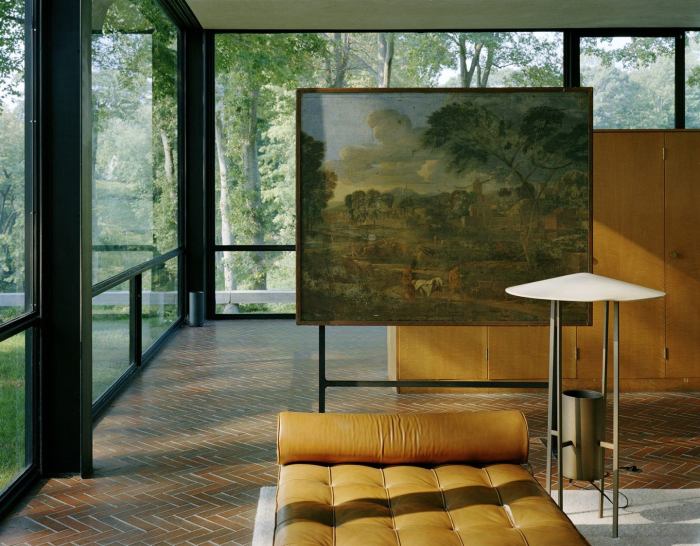
A glass house is a type of architectural structure where large windows, glass walls, or glass ceilings are used extensively to allow natural light to enter and provide a seamless connection between the indoor and outdoor spaces.
Architectural Features of a Glass House
- Extensive use of glass walls, windows, and doors
- Minimalist design with clean lines and open floor plans
- Incorporation of natural materials like wood and stone to balance the transparency of glass
- Integration of energy-efficient technologies to regulate temperature and lighting
Use of Glass in Modern Architecture
Glass has become a popular material in modern architecture due to its versatility, aesthetic appeal, and ability to create a sense of openness and connection with the surrounding environment. Architects use glass to maximize natural light, create visual interest, and enhance the overall design of a building.
Benefits and Challenges of Living in a Glass House
- Benefits:
- Abundance of natural light, reducing the need for artificial lighting
- Enhanced views of the surrounding landscape
- Connection with nature and outdoor spaces
- Challenges:
- Privacy concerns due to the transparent nature of glass
- Difficulty in maintaining temperature control and privacy
- Regular cleaning and maintenance of glass surfaces
History of Glass Houses
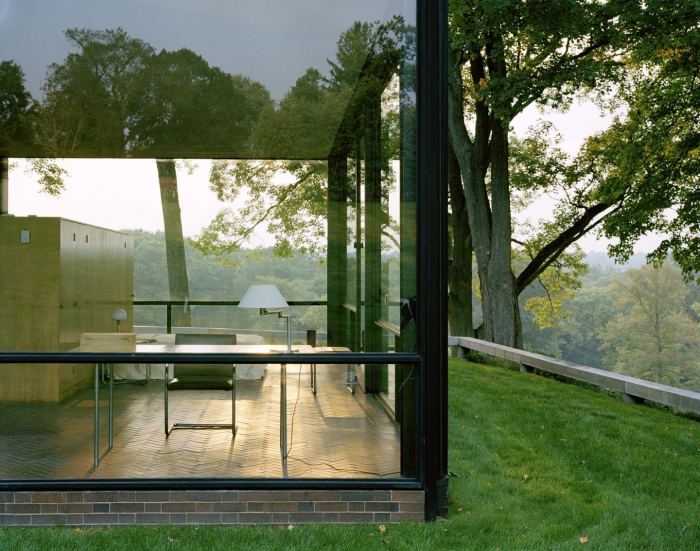
Glass houses have a rich history dating back to ancient times. The concept of using glass in architecture can be traced back to the Roman Empire, where glass was used in windows to allow light into buildings while protecting occupants from the elements.
Key Architectural Styles
- Victorian Greenhouses: In the 19th century, Victorian greenhouses became popular, featuring elaborate designs with large glass panels to create ideal growing conditions for plants.
- Modernist Architecture: The modernist movement in the 20th century embraced the use of glass extensively, with architects like Ludwig Mies van der Rohe and Philip Johnson designing iconic glass houses that blur the lines between indoor and outdoor spaces.
- Contemporary Glass Structures: Today, contemporary architects continue to push the boundaries of glass house design, incorporating innovative techniques to create sustainable and energy-efficient buildings.
Advancements in Glass Technology
- Float Glass: The invention of float glass in the mid-20th century revolutionized the production of flat glass, making it more affordable and widely available for architectural use.
- Low-E Coatings: Low-emissivity coatings were developed to improve the energy efficiency of glass buildings by reducing heat transfer and enhancing insulation.
- Smart Glass: Recent advancements in smart glass technology allow for dynamic control of light transmission, tinting the glass to regulate heat and glare based on environmental conditions.
Design Considerations for Glass Houses
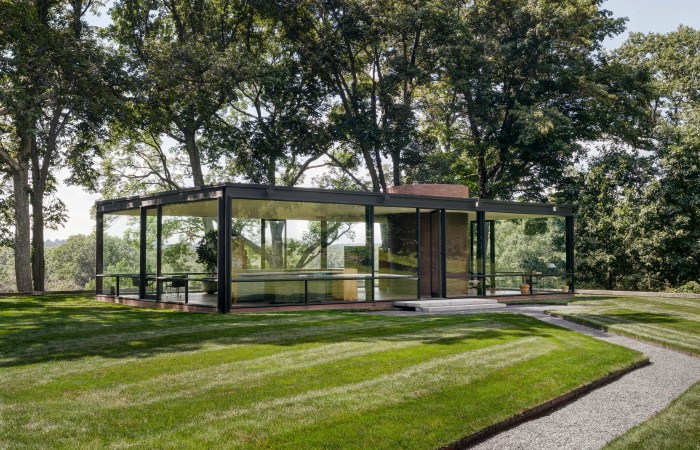
When designing a glass house, there are several important factors to consider to ensure functionality, aesthetics, and sustainability.
Types of Glass Used in Construction
- Float Glass: Most commonly used in construction due to its clarity and versatility.
- Laminated Glass: Offers enhanced safety and security, as it holds together when shattered.
- Tempered Glass: Known for its strength and safety features, often used in areas requiring high durability.
- Low-E Glass: Provides energy efficiency by reflecting heat back into the room, reducing heating and cooling costs.
Properties of Different Glass Types
- Strength: Depending on the type of glass, it can vary in strength and durability.
- Insulation: Some glasses offer better insulation properties, reducing heat loss or gain.
- Light Transmission: Each type of glass has different levels of light transmission, affecting the interior environment.
- Safety: Factors like shatter resistance and impact resistance play a crucial role in the safety of occupants.
Sustainability Aspects of Using Glass in Architecture
- Daylighting: Glass allows natural light to enter the space, reducing the need for artificial lighting and saving energy.
- Passive Solar Heating: Proper placement of glass can harness solar heat, reducing heating costs in colder climates.
- Recyclability: Glass is highly recyclable, making it an eco-friendly choice in construction materials.
- Life Cycle Analysis: Considering the environmental impact of glass production and disposal is essential for sustainable design.
Privacy and Security in Glass Houses
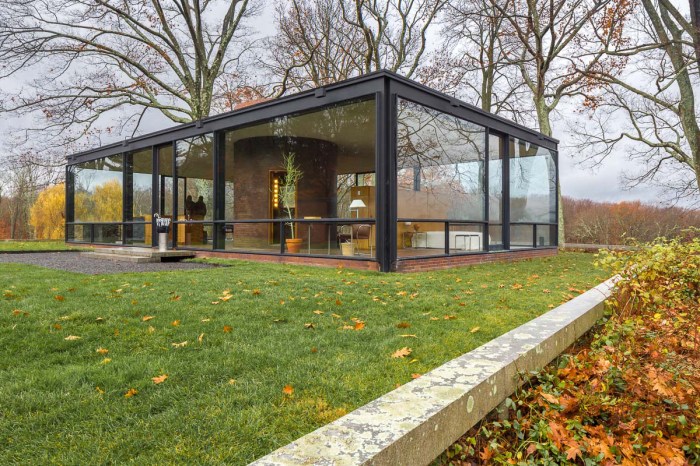
Maintaining privacy and security in a glass house poses unique challenges due to its transparent nature. However, with careful planning and innovative design features, it is possible to create a safe and private living space without compromising the aesthetic appeal of a glass house.
Challenges of Maintaining Privacy
Despite the beauty of natural light and panoramic views offered by glass houses, privacy can be a major concern. Residents may feel exposed to the outside world, leading to discomfort and a lack of personal space. Additionally, the transparency of glass walls can make it easier for intruders to peer inside, raising security issues.
- Strategies to Enhance Security
- Use of smart glass technology that allows for privacy settings to be adjusted with the touch of a button.
- Installation of high-tech security systems, such as motion sensors and surveillance cameras, to deter potential intruders.
- Incorporation of sturdy locks and reinforced glass to prevent break-ins.
Enhancing security in glass house designs is crucial to ensure the safety of residents and their belongings. Here are some effective strategies:
Innovative Privacy Features
To address privacy concerns without compromising the open and airy feel of a glass house, designers can implement innovative features that offer both seclusion and style.
One creative approach is the use of frosted or textured glass panels that provide privacy while still allowing natural light to filter through.
- Integrating retractable curtains or blinds that can be drawn when needed, offering residents the option to shield their living spaces from prying eyes.
- Designing outdoor landscaping elements, such as tall hedges or strategically placed trees, to create natural barriers that enhance privacy without obstructing views.
- Utilizing interior design elements like sliding doors, partitions, and strategically placed furniture to create private zones within the glass house.
Climate Control and Energy Efficiency
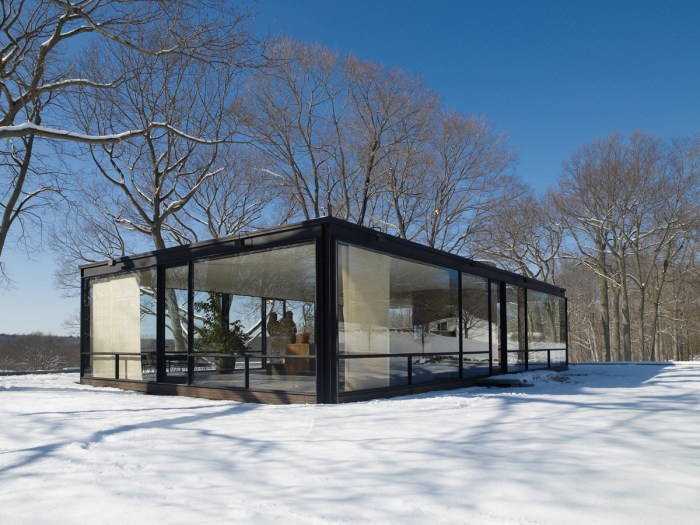
Glass houses are known for their unique ability to harness natural light, but this feature also presents challenges in terms of maintaining optimal temperature levels and energy efficiency. Let's explore how glass houses manage climate control and energy efficiency.
Heating and Cooling Systems
When it comes to heating and cooling glass houses, various systems can be employed to ensure a comfortable indoor environment without compromising energy efficiency. Some common options include:
- Underfloor heating: This system radiates heat from the floor, creating a gentle and even distribution of warmth throughout the space.
- Heat pumps: These devices extract heat from the outside air or ground and transfer it inside, providing efficient heating in cold weather and cooling in hot weather.
- Solar shading: By strategically placing shading devices such as blinds, curtains, or external shading structures, the amount of direct sunlight entering the glass house can be controlled, reducing the need for excessive cooling.
Landscaping and Shading
Effective landscaping and shading play a crucial role in reducing energy consumption in glass houses. By planting trees, shrubs, and other vegetation strategically around the glass structure, natural shading can be achieved, reducing the reliance on artificial cooling systems. Additionally, selecting the right type of glass with low solar heat gain coefficient can help mitigate heat gain while still allowing ample natural light to enter the space.
Final Thoughts
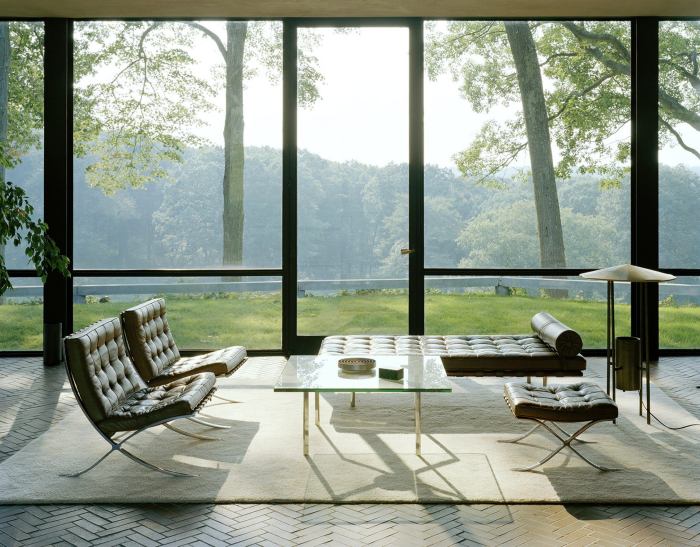
In conclusion, glass houses stand as a testament to the fusion of aesthetics and functionality in architectural design. Their allure lies in their ability to harmoniously blend the indoor and outdoor spaces, creating a truly unique living experience.
Detailed FAQs
How do glass houses manage temperature control?
Glass houses often use advanced heating and cooling systems along with strategic landscaping and shading to maintain optimal temperatures.
What are the key privacy challenges in glass houses?
Maintaining privacy in glass houses can be challenging due to the transparent nature of the material, but innovative design solutions can enhance privacy without compromising aesthetics.
Are glass houses sustainable?
While glass houses can pose challenges in terms of energy efficiency, advancements in glass technology and sustainable design practices make them increasingly eco-friendly.