Embark on a journey through the world of heating systems, exploring the various options available for residential and commercial spaces. From traditional central heating systems to cutting-edge smart technologies, this guide will help you navigate the complexities of heating your environment efficiently and effectively.
As we delve deeper into the different types of heating systems and their components, you'll gain valuable insights into how to optimize energy efficiency and ensure the longevity of your heating system.
Types of Heating Systems
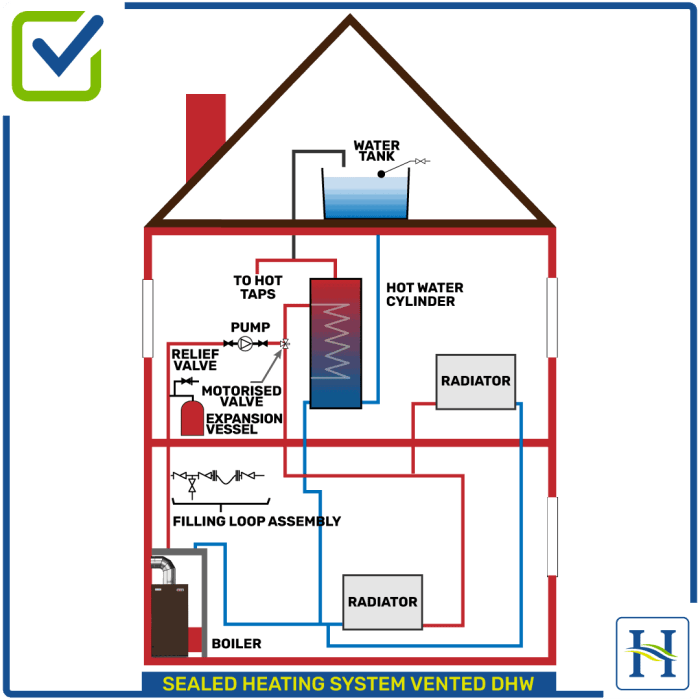
Heating systems are essential for keeping our homes and workplaces warm and comfortable during cold weather. There are various types of heating systems available, each with its own set of advantages and drawbacks.
Central Heating Systems vs. Individual Room Heaters
Central heating systems work by distributing heat from a central source throughout the entire building, ensuring consistent warmth in every room. On the other hand, individual room heaters provide localized heat and can be more energy-efficient if used only in occupied spaces.
Radiant Heating Systems
Radiant heating systems use infrared radiation to directly warm objects and people in a room, rather than heating the air. This results in a more comfortable and energy-efficient heating method, but installation costs can be higher.
Modern Smart Heating Systems
Smart heating systems utilize technology to regulate temperature based on occupancy, weather conditions, and user preferences. These systems can be controlled remotely through smartphones and can help save energy by optimizing heating schedules.
Heating System Components
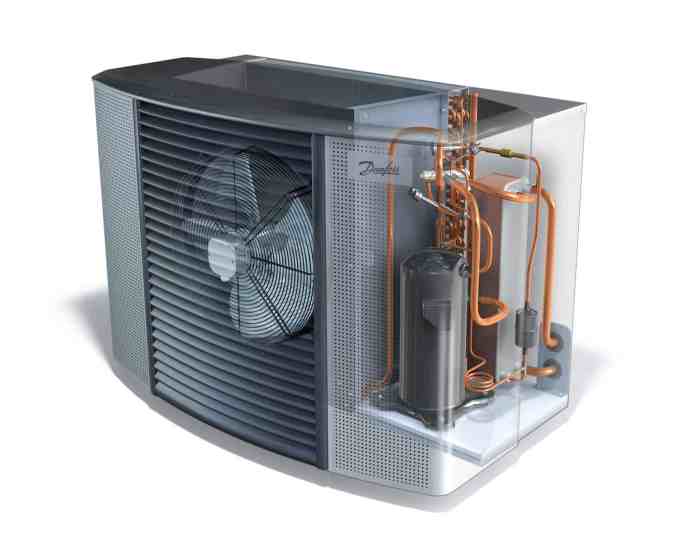
Heating systems consist of various key components that work together to provide warmth and comfort in buildings. Understanding these components is essential for proper maintenance and efficient operation.
Thermostats
Thermostats play a crucial role in regulating heating systems by monitoring and controlling the temperature in a space. When the temperature falls below the set point, the thermostat signals the heating system to kick in and warm up the area.
Once the desired temperature is reached, the thermostat signals the system to shut off, helping to maintain a comfortable environment and save energy.
Heat Exchangers
Heat exchangers are integral components of central heating systems. They transfer heat from a source such as a furnace or boiler to the air or water that will be circulated throughout the building. By efficiently transferring heat, heat exchangers ensure that the warm air or water reaches all areas of the building, providing consistent heating.
Ductwork
Ductwork is commonly used in forced-air heating systems to distribute heated air throughout the building. The ducts act as channels through which the warm air flows from the central heating unit to different rooms. Properly designed and maintained ductwork is essential for ensuring even heating and optimal airflow, maximizing the efficiency of the heating system.
Energy Efficiency in Heating Systems
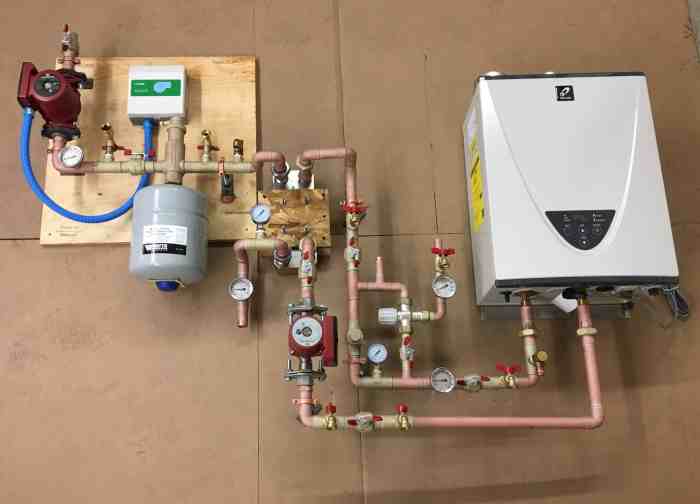
Improving the energy efficiency of heating systems is crucial to reduce energy consumption and lower utility costs. One key strategy to achieve this is by ensuring proper insulation to minimize heat loss.
Proper Insulation for Heat Loss Reduction
Proper insulation plays a vital role in reducing heat loss in buildings. By insulating walls, floors, roofs, and ductwork, heat can be retained within the living spaces, reducing the workload on the heating system.
Programmable Thermostats and Zoning Systems
- Programmable thermostats allow homeowners to set specific temperatures for different times of the day, ensuring that heating is only used when needed. This helps in optimizing energy usage and reducing wastage.
- Zoning systems divide a home into different zones, each with its thermostat. This allows for customized heating in specific areas, avoiding heating empty rooms and focusing on occupied spaces, leading to energy savings.
Renewable Energy Sources Integration
- Solar panels can be integrated into heating systems to harness the sun's energy for heating purposes, reducing reliance on traditional energy sources.
- Geothermal heat pumps utilize the constant temperature of the earth to provide heating, offering a sustainable and energy-efficient alternative to conventional heating systems.
Maintenance and Troubleshooting
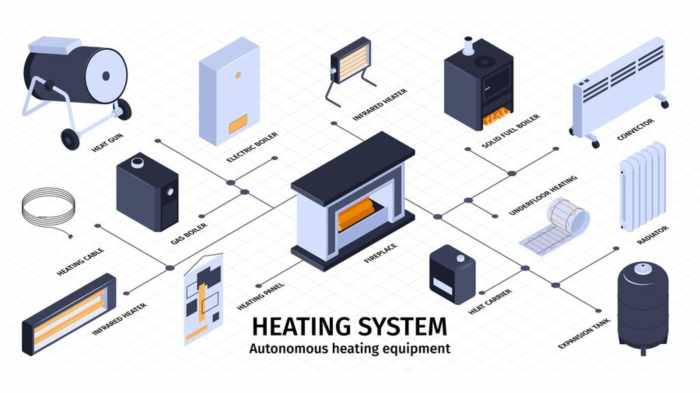
Regular maintenance of heating systems is crucial to ensure optimal performance and longevity. By following a checklist for routine maintenance, homeowners can prevent costly repairs and extend the lifespan of their heating systems.
Routine Maintenance Checklist:
- Change air filters regularly to ensure proper airflow and efficiency.
- Inspect and clean the heating system's components, such as the blower motor, fan, and ductwork.
- Check the thermostat settings and calibrate if necessary for accurate temperature control.
- Inspect and clean the burner and heat exchanger to prevent blockages and ensure proper combustion.
- Test the safety controls, such as the pressure switch and limit switch, to ensure they are functioning correctly.
- Inspect the electrical connections and wiring for any signs of wear or damage.
- Check for any unusual noises, odors, or fluctuations in heating performance that may indicate a problem.
Common Issues and Troubleshooting:
- If the heating system is not producing heat, check the thermostat settings, air filters, and pilot light.
- If there are cold spots in the home, check for blocked vents or ductwork and ensure proper insulation.
- If the heating system is cycling frequently, check for dirty air filters, a malfunctioning thermostat, or improper airflow.
- If there are unusual noises or odors, such as banging or burning smells, turn off the system immediately and contact a professional for inspection.
Importance of Professional Inspections:
Regular inspections by HVAC professionals are essential to identify potential issues early and prevent major breakdowns. Professionals can perform thorough inspections, cleanings, and tune-ups to ensure the heating system is functioning safely and efficiently.
Tips for Extending Heating System Lifespan:
- Schedule annual maintenance with a qualified HVAC technician to keep the system in top condition.
- Keep the area around the heating system clear of debris and obstructions to ensure proper airflow.
- Avoid setting the thermostat too high, as this can strain the system and reduce efficiency.
- Invest in a programmable thermostat to regulate temperatures and save energy when heating is not needed.
- Consider upgrading to a more energy-efficient heating system to reduce energy consumption and lower utility bills.
Conclusive Thoughts
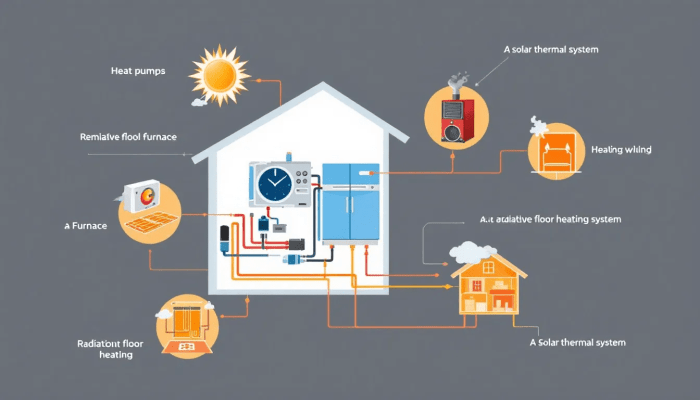
In conclusion, understanding the intricacies of heating systems is crucial in maintaining a comfortable and sustainable living or working environment. By implementing the right maintenance strategies and leveraging the latest technologies, you can enhance the performance and durability of your heating system for years to come.
Questions and Answers
How often should I schedule maintenance for my heating system?
It is recommended to have your heating system checked and serviced at least once a year to ensure optimal performance and detect any potential issues early on.
Are smart heating systems worth the investment?
Smart heating systems can offer convenience, energy savings, and enhanced control over your heating environment, making them a worthwhile investment for many households and businesses.
What are some common signs that indicate a problem with my heating system?
Unusual noises, uneven heating, fluctuating temperatures, and a sudden increase in energy bills are common indicators that there may be an issue with your heating system that requires attention.