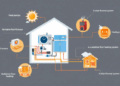
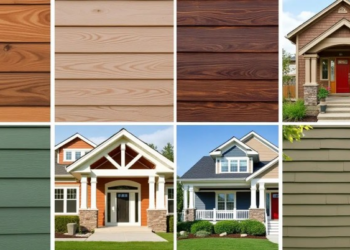
Delve into the world of home improvement as we explore the key aspects that can transform your living space into a haven of comfort and style. From boosting property value to enhancing quality of life, the journey of home improvement is filled with endless possibilities.
Discover the secrets to successful home improvement projects and unleash the potential of your living space.
Importance of Home Improvement
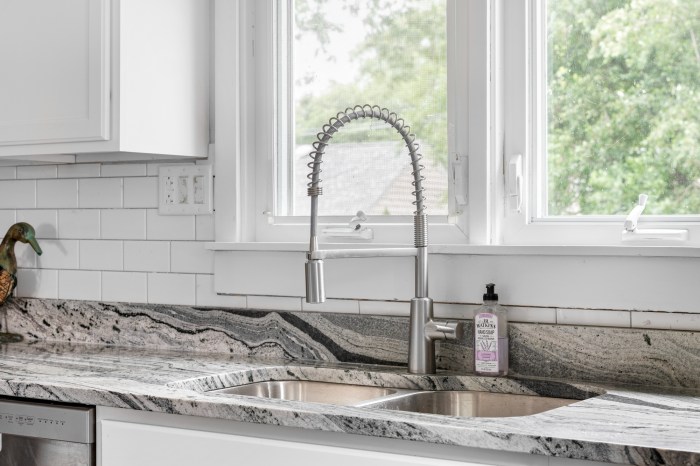
Home improvement plays a crucial role in enhancing the overall value of a property and making it more appealing to potential buyers. By investing in various improvement projects, homeowners can significantly increase the resale value of their homes.
Enhancing Quality of Life
Home improvement projects not only add value to a property but also improve the quality of life for homeowners. Upgrading living spaces can create a more comfortable and functional environment, tailored to the specific needs and preferences of the residents.
- Renovating kitchens and bathrooms to modernize and increase functionality.
- Adding energy-efficient windows and insulation to improve energy efficiency.
- Landscaping and outdoor improvements to enhance curb appeal and create outdoor living spaces.
- Upgrading flooring, lighting, and fixtures for a more aesthetically pleasing interior.
High ROI Projects
Certain home improvement projects offer high returns on investment, making them worthwhile investments for homeowners looking to increase their property value.
- Adding a wooden deck or patio for outdoor entertainment areas.
- Updating the garage door for improved security and curb appeal.
- Remodeling the attic or basement to add living space and functionality.
- Installing a new front door to enhance the first impression of the home.
Types of Home Improvement Projects
When it comes to home improvement, there are various categories of projects that homeowners can undertake to enhance the functionality, aesthetics, and value of their properties.
Interior Home Improvement
- Interior home improvement projects focus on enhancing the inside of the house. This can include renovations such as updating the kitchen, bathroom, or bedrooms, installing new flooring, painting walls, or upgrading fixtures and appliances.
- Benefits: Improving the interior of a home can increase comfort, functionality, and overall appeal. It can also boost the value of the property.
Exterior Home Improvement
- Exterior home improvement projects involve enhancing the outside of the house. This may include landscaping, adding a deck or patio, replacing siding or windows, or installing outdoor lighting.
- Benefits: Improving the exterior of a home can enhance curb appeal, increase property value, and create a more inviting outdoor living space.
Structural Home Improvement
- Structural home improvement projects focus on the foundation, roof, walls, and overall structural integrity of the house. This can include repairs, reinforcements, or additions to ensure the stability and safety of the property.
- Benefits: Addressing structural issues can prevent further damage, increase safety, and prolong the lifespan of the home.
Energy-Efficient Home Improvements
- Energy-efficient home improvement projects aim to reduce energy consumption and lower utility costs. This can involve upgrading insulation, windows, HVAC systems, or installing renewable energy sources like solar panels.
- Benefits: Energy-efficient upgrades can lead to cost savings, reduce environmental impact, and increase the overall sustainability of the home.
Smart Home Technologies
- Smart home technologies involve incorporating automation, connectivity, and remote control features into various systems within the home. This can include smart thermostats, lighting, security cameras, or appliances.
- Benefits: Smart home technologies offer convenience, energy savings, enhanced security, and the ability to monitor and control home systems from anywhere.
DIY vs. Professional Home Improvement
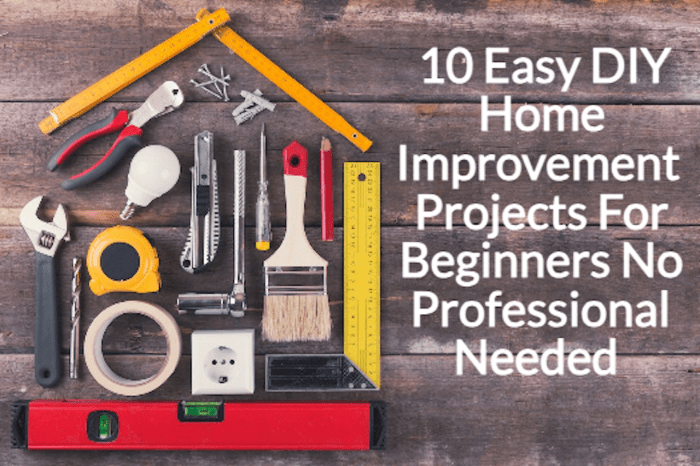
When it comes to home improvement projects, deciding between tackling the task yourself or hiring a professional can be a crucial decision. Each option has its own set of advantages and disadvantages, depending on the complexity of the project, your skill level, and your budget.DIY projects allow you to save money on labor costs and give you a sense of accomplishment.
You have full control over the project timeline and can personalize the design according to your preferences. However, DIY projects can be time-consuming, require specialized tools you may not have, and may not always meet building codes or safety standards.On the other hand, hiring a professional ensures that the job is done correctly and efficiently.
Professionals have the necessary skills, experience, and tools to complete the project to a high standard. They can also provide warranties and insurance coverage for their work. However, hiring professionals can be costly, and you may have less flexibility in design choices.
Determining When to Seek Professional Help
- Structural Changes: Any project involving structural changes to your home, such as removing walls or adding new windows, should be left to professionals.
- Electrical Work: Electrical projects can be dangerous if not done correctly. It's best to hire a licensed electrician for any electrical upgrades or installations.
- Plumbing Repairs: Plumbing projects require specific knowledge and expertise. Leaks, clogs, or pipe replacements should be handled by a professional plumber.
- Roof Repairs: Climbing on the roof and working with shingles can be hazardous. Roof repairs and replacements should be done by experienced roofers.
Examples of Projects Best Left to Professionals
- Installing a New HVAC System: HVAC systems are complex and require specialized knowledge for installation. A professional HVAC technician can ensure proper sizing and installation.
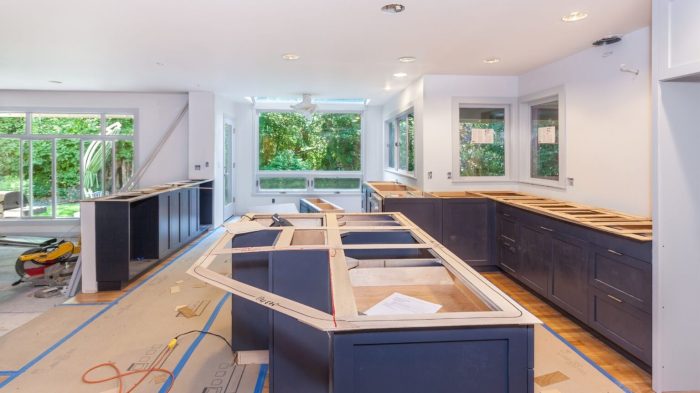
- Major Kitchen Remodel: A kitchen remodel involving structural changes, plumbing, and electrical work should be handled by a team of professionals, including contractors, plumbers, and electricians.
- Foundation Repairs: Issues with your home's foundation can compromise its structural integrity. Foundation repairs should be done by professionals to ensure stability and safety.
Budgeting for Home Improvement
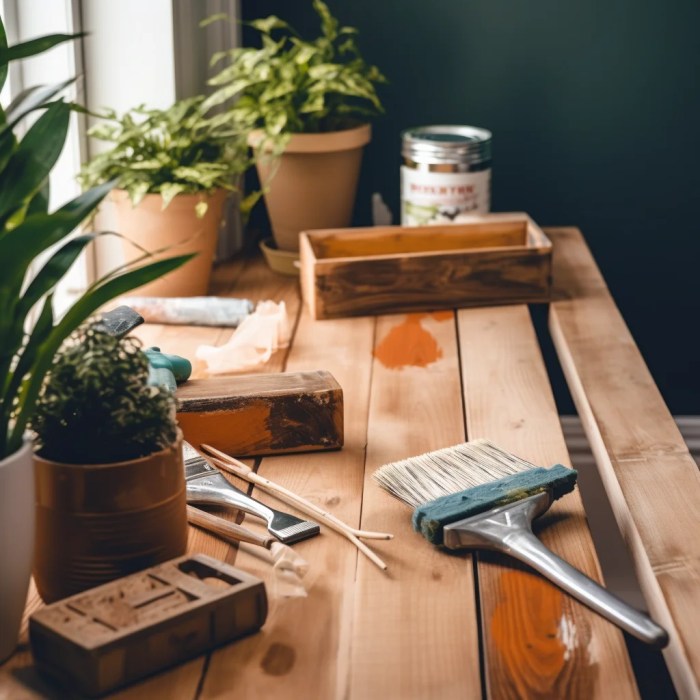
When embarking on a home improvement project, creating a budget is crucial to ensure that the project stays on track financially. Proper budgeting can help prevent overspending and ensure that the project is completed within your financial means.
Creating a Budget for Home Improvement
Before starting any home improvement project, it is important to determine how much you can afford to spend. Consider your current financial situation and how much you are willing to invest in the project. Once you have a clear idea of your budget, follow these steps to create a comprehensive budget for your home improvement project:
- Assess the Scope of the Project: Determine the extent of the work that needs to be done and identify all the materials and labor required.
- Research Costs: Research the costs of materials and labor in your area to get an accurate estimate of how much the project will cost.
- Set Aside Contingency Funds: It is important to set aside a portion of your budget for unexpected expenses that may arise during the project.
- Prioritize Expenses: Determine which aspects of the project are most important to you and allocate funds accordingly.
- Track Expenses: Keep a detailed record of all expenses related to the project to ensure that you stay within your budget.
Cost-Saving Strategies for Home Improvement
While it is important to stick to your budget, there are several cost-saving strategies you can implement to reduce the overall cost of your home improvement project without compromising on quality:
- DIY Where Possible: Consider taking on some of the simpler tasks yourself to save on labor costs.
- Shop Around for Materials: Compare prices at different stores and look for sales or discounts to save on material costs.
- Reuse and Repurpose: Instead of buying new items, consider repurposing or refurbishing existing furniture or fixtures to save money.
- Hire Reputable Professionals: While it may be tempting to go with the cheapest option, hiring reputable professionals can save you money in the long run by ensuring that the job is done right the first time.
Prioritizing Home Improvement Projects Based on Budget Constraints
When working with a limited budget, it is important to prioritize home improvement projects to ensure that you are getting the most value for your money. Consider the following factors when deciding which projects to tackle first:
- Safety and Structural Issues: Address any safety hazards or structural issues first to prevent further damage and ensure the safety of your home.
- Curb Appeal: Improving the curb appeal of your home can enhance its value and make a big impact with a relatively small investment.
- Energy Efficiency: Investing in energy-efficient upgrades can help you save money on utility bills in the long run.
- Personal Preferences: Finally, prioritize projects that align with your personal preferences and will enhance your enjoyment of your home.
Sustainable Home Improvement Practices

Implementing sustainable home improvement practices is crucial for the environment as it helps reduce carbon footprint, conserve energy, and minimize waste. By choosing eco-friendly materials and technologies, homeowners can make a positive impact on the planet while also enjoying long-term cost savings.
Eco-Friendly Materials and Technologies
- Use recycled or reclaimed materials for renovations to reduce the demand for new resources and minimize waste generation.
- Install energy-efficient appliances and lighting fixtures to lower electricity consumption and decrease greenhouse gas emissions.
- Incorporate solar panels or geothermal heating systems to harness renewable energy sources and reduce reliance on non-renewable resources.
- Choose low-VOC paints and finishes to improve indoor air quality and promote a healthier living environment for occupants.
Tips for Energy-Efficient Homes
- Upgrade insulation in walls, floors, and attics to enhance thermal efficiency and reduce heating and cooling costs.
- Seal gaps and cracks around doors, windows, and ductwork to prevent air leaks and improve overall energy performance of the home.
- Opt for ENERGY STAR-rated windows and doors to enhance insulation and minimize heat transfer, maintaining a comfortable indoor temperature year-round.
- Utilize programmable thermostats to regulate heating and cooling systems based on occupancy patterns, optimizing energy usage and reducing utility bills.
Trends in Home Improvement
Home improvement trends are constantly evolving, influenced by various factors such as changing design preferences, advancements in technology, and popular media. In recent years, certain trends have emerged that are shaping the way people approach home improvement projects.
Current Trends in Home Improvement Design and Decor
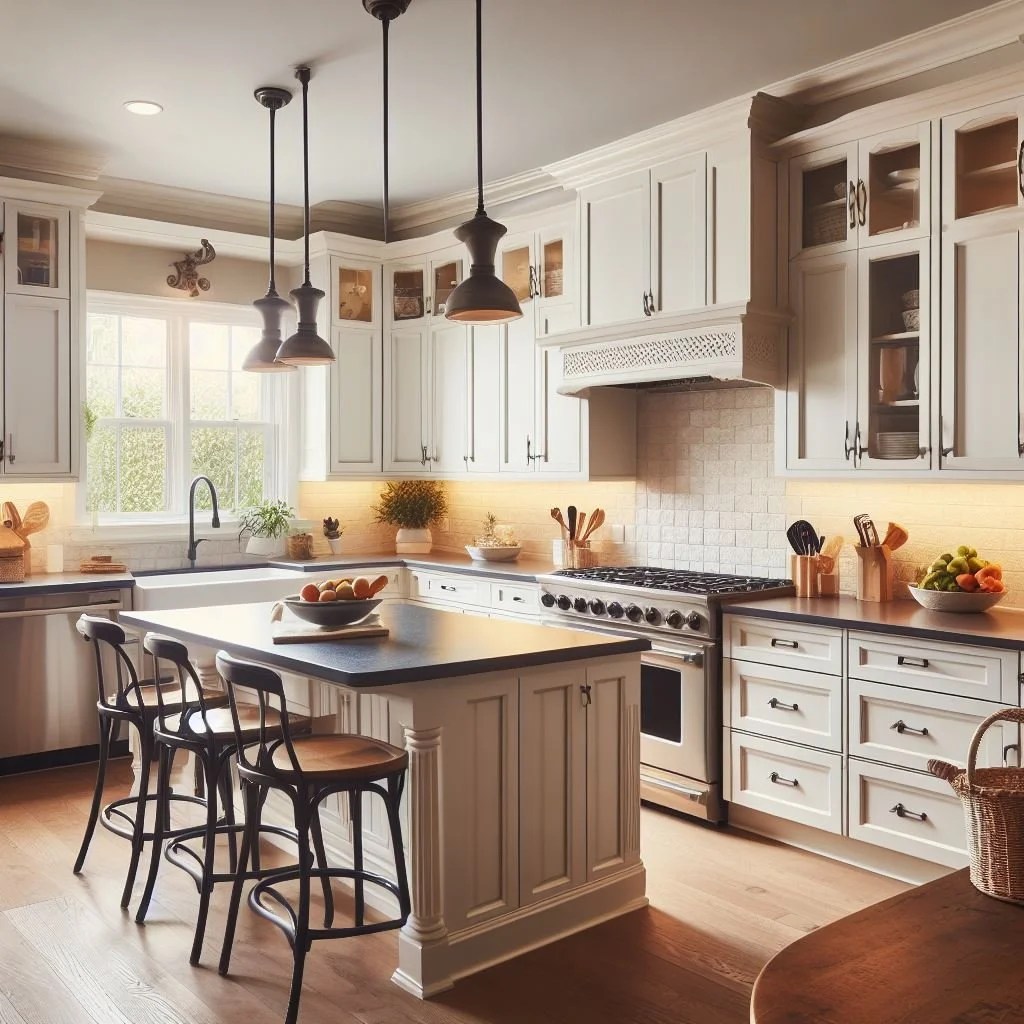
One of the current trends in home improvement design and decor is the rise of minimalist and modern aesthetics. Clean lines, neutral colors, and open spaces are becoming increasingly popular among homeowners looking to create a sleek and contemporary look in their homes.
- Another trend is the incorporation of sustainable and eco-friendly materials into home improvement projects. From energy-efficient appliances to recycled building materials, more homeowners are prioritizing sustainability in their design choices.
- Smart home technology is also a major trend, with features such as automated lighting, thermostats, and security systems gaining popularity. Integrating these technologies into home improvement projects can enhance convenience and efficiency.
- Outdoor living spaces are seeing a surge in popularity, with homeowners investing in features like outdoor kitchens, fire pits, and cozy seating areas to create a seamless transition between indoor and outdoor living.
Influence of Social Media and Home Improvement TV Shows
Social media platforms like Instagram and Pinterest, as well as home improvement TV shows, play a significant role in shaping popular trends in home improvement. Influencers and designers showcase their projects, inspiring viewers to incorporate similar elements into their own homes.
- Platforms like Instagram provide a visual feast of design ideas, allowing users to discover new trends and styles from around the world. Home improvement TV shows offer practical tips and creative solutions that viewers can apply to their own projects.
- By following popular influencers and watching home improvement shows, homeowners can stay informed about the latest trends and find inspiration for their own renovation projects.
Tips for Incorporating Trendy Elements into Home Improvement Projects
When incorporating trendy elements into home improvement projects, it's essential to strike a balance between following current trends and ensuring longevity in design. Here are some tips to help you achieve this:
- Focus on timeless elements for key features like flooring and cabinetry, and use trendy accents like throw pillows or wall art to add a touch of current style.
- Consider the functionality and practicality of trendy elements before integrating them into your design. Opt for versatile pieces that can be easily updated or replaced as trends evolve.
- Mixing trendy elements with classic pieces can create a unique and personalized look that stands the test of time. Play with textures, colors, and patterns to add depth and interest to your home.
Last Recap
Embark on your home improvement journey equipped with the knowledge and inspiration to create a space that truly reflects your style and personality. Transform your house into a home with these valuable insights and tips.
Popular Questions
What are some common home improvement projects that yield high returns on investment?
Projects like kitchen renovations, bathroom upgrades, and landscaping improvements are known to significantly increase property value.
How can homeowners make their homes more energy-efficient through sustainable improvements?
They can install energy-efficient appliances, improve insulation, and utilize renewable energy sources like solar panels.
What are some cost-saving strategies for home improvement projects without compromising quality?
Shopping for materials during sales, repurposing existing items, and doing some tasks yourself can help save costs.