HVAC companies play a crucial role in keeping our indoor environments comfortable and efficient. From the different types of HVAC systems to the services they offer, these companies are essential for maintaining a pleasant living or working space. In this guide, we delve into the world of HVAC companies, exploring their services, qualities, and impact on energy efficiency.
Types of HVAC Systems
When it comes to HVAC systems, there are several types commonly used by HVAC companies. Each type has its own set of pros and cons, and some are more energy-efficient than others. Let's take a closer look at the different types of HVAC systems available:
Traditional HVAC Systems
Traditional HVAC systems are the most common type found in many homes and buildings. These systems typically consist of a furnace, air conditioner, and ductwork to distribute heated or cooled air throughout the space.
- Pros:
- Reliable and widely used
- Effective in controlling indoor temperature
- Cons:
- Less energy-efficient compared to newer models
- May require more maintenance
Newer Energy-Efficient HVAC Systems
Newer energy-efficient HVAC systems are designed to reduce energy consumption and lower utility bills. These systems often include features like variable-speed motors, programmable thermostats, and zoning capabilities.
- Pros:
- Higher energy efficiency
- Cost savings on utility bills
- Cons:
- Higher upfront cost for installation
- May require specialized maintenance
Services Offered by HVAC Companies
When it comes to HVAC companies, they offer a range of services to ensure the optimal functioning of heating, ventilation, and air conditioning systems in residential and commercial buildings. These services are essential for maintaining indoor comfort, air quality, and energy efficiency.
Regular HVAC Maintenance and Tune-ups
Regular maintenance and tune-ups are crucial for the longevity and efficiency of HVAC systems. HVAC companies offer scheduled maintenance services to inspect, clean, and tune up the components of heating and cooling systems. This helps prevent breakdowns, improve energy efficiency, and extend the lifespan of the equipment.
Installations
HVAC companies handle installations of new heating, ventilation, and air conditioning systems in both new construction projects and existing buildings. They ensure that the systems are properly sized, installed, and calibrated for optimal performance. This includes ductwork installation, thermostat setup, and testing to ensure that the system meets the heating and cooling needs of the space.
Repairs
In the event of a breakdown or malfunction, HVAC companies offer repair services to troubleshoot and fix issues with heating, ventilation, and air conditioning systems. They have trained technicians who can diagnose problems, replace faulty components, and restore the system to proper working condition.
Timely repairs are essential to avoid further damage and ensure uninterrupted comfort.
Replacements
When HVAC systems reach the end of their lifespan or experience significant damage, HVAC companies provide replacement services to install new, energy-efficient equipment. They help customers choose the right system for their needs, handle the removal of old equipment, and ensure a seamless installation process.
Upgrading to a new system can improve energy efficiency, indoor comfort, and air quality in the building.
Qualities of a Reliable HVAC Company

When it comes to choosing an HVAC company, it is crucial to look for certain qualities that define a trustworthy and reliable service provider. From certifications and licenses to customer reviews and experience, there are several key factors to consider before making a decision.
Importance of Certifications and Licenses
Certifications and licenses are essential indicators of a reliable HVAC company. These credentials demonstrate that the technicians have undergone the necessary training and have met the industry standards to perform HVAC installations, repairs, and maintenance. By choosing a company with proper certifications and licenses, you can ensure that the work will be done correctly and safely.
Key Characteristics of a Trustworthy HVAC Company
- Experience: Look for a company with years of experience in the HVAC industry. Experienced technicians are more likely to handle complex issues efficiently.
- Reputation: Check online reviews and ask for referrals to gauge the company's reputation. A good reputation is a strong indicator of quality service.
- Transparency: A reliable HVAC company will be transparent about their pricing, services, and any potential issues with your system.
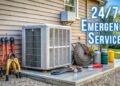
- 24/7 Emergency Service: Emergencies can happen at any time, so having access to 24/7 emergency service is crucial for peace of mind.
- Customer Service: Excellent customer service is a sign of a company that values its customers and is committed to providing a positive experience.
Tips for Selecting the Right HVAC Company
- Research and Compare: Take the time to research different HVAC companies in your area, compare their services, prices, and customer reviews.
- Ask for Recommendations: Reach out to friends, family, and neighbors for recommendations of HVAC companies they have had positive experiences with.
- Check Credentials: Verify that the company has the necessary certifications and licenses to work on HVAC systems in your area.
- Get Multiple Quotes: Don't settle for the first quote you receive. Get multiple quotes from different companies to compare prices and services.
- Ask About Guarantees: Inquire about any guarantees or warranties offered by the company for their work to ensure you are protected in case of any issues.
Energy Efficiency and Sustainability in HVAC
Energy efficiency and sustainability are crucial aspects of HVAC systems that HVAC companies focus on to promote environmentally friendly heating and cooling solutions.
Role of HVAC Companies in Promoting Energy-Efficient Solutions
HVAC companies play a vital role in promoting energy-efficient solutions by offering products and services that help reduce energy consumption and carbon emissions. They achieve this by installing high-efficiency heating and cooling systems, providing regular maintenance to ensure optimal performance, and offering energy-saving tips to customers.
Benefits of Sustainable HVAC Practices
- Reduction in energy costs for customers
- Lower carbon footprint and reduced environmental impact
- Improved indoor air quality and comfort
- Longer lifespan of HVAC equipment
Innovative Technologies for Energy Efficiency
- Smart thermostats that optimize temperature settings based on occupancy and usage patterns
- Variable refrigerant flow (VRF) systems that adjust cooling and heating output to match building demand
- Geothermal heat pumps that utilize renewable energy from the ground to heat and cool spaces
Closure
As we conclude our exploration of HVAC companies, it becomes evident that they are indispensable for ensuring optimal heating and cooling solutions. From their reliable services to their focus on sustainability, HVAC companies continue to be key players in enhancing our indoor environments.
Popular Questions
What are the key characteristics of a reliable HVAC company?
A reliable HVAC company should have certifications, licenses, and a good reputation for quality service.
Why is regular HVAC maintenance important?
Regular maintenance helps to ensure that your HVAC system functions efficiently and lasts longer.
How do HVAC companies handle installations?
HVAC companies handle installations by assessing your needs, recommending the right system, and professionally installing it in your space.