Embark on a journey into the realm of property management with this comprehensive guide that delves into the intricacies of overseeing properties. From defining property management to exploring key strategies, this introduction sets the stage for an enlightening discussion on the subject.
As we navigate through the various aspects of property management, you'll gain valuable insights into the responsibilities, challenges, and legal considerations that come with this essential role.
Introduction to Property Management
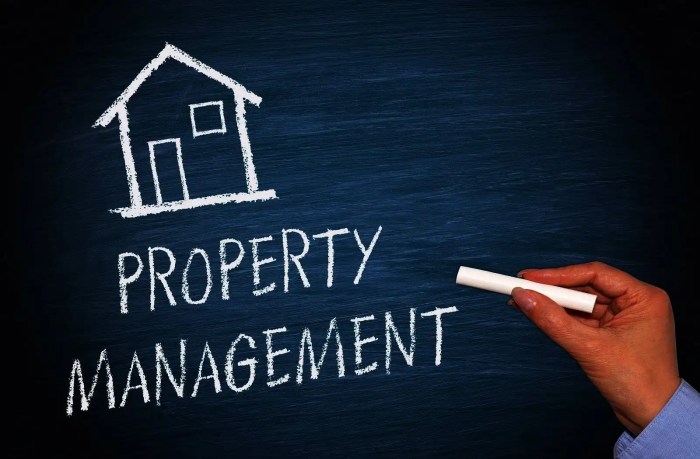
Property management involves the operation, control, and oversight of real estate properties. It includes tasks such as rent collection, property maintenance, tenant relations, and overall property administration.
Importance of Property Management for Landlords
Property management is crucial for landlords as it ensures the smooth running of their rental properties. It helps in maximizing rental income, maintaining property value, and ensuring tenant satisfaction. By delegating these responsibilities to property managers, landlords can focus on other aspects of their investments.
Key Responsibilities of Property Managers
- Marketing and advertising rental properties.
- Screening and selecting tenants.
- Collecting rent and managing finances.
- Handling maintenance and repairs.
- Resolving tenant issues and disputes.
Common Challenges Faced in Property Management
- Dealing with difficult tenants and late payments.
- Maintaining compliance with rental laws and regulations.
- Managing property maintenance and repairs efficiently.
- Balancing the needs of tenants with the expectations of landlords.
Property Management Strategies
When it comes to property management, there are various strategies that can be employed to maximize returns and ensure smooth operations. Let's explore some key approaches and their benefits.
Long-Term Rentals
- Long-term rentals involve leasing properties to tenants for an extended period, typically a year or more.
- This strategy provides stable and predictable income, as tenants commit to longer lease terms.
- Property owners can build long-term relationships with tenants, reducing turnover and vacancy rates.
Short-Term Rentals
- Short-term rentals, such as vacation rentals or Airbnb properties, cater to guests looking for temporary accommodation.
- This strategy can generate higher rental income per night but may require more frequent management and maintenance.
- Flexibility in pricing and occupancy allows property owners to adapt to changing market conditions.
Commercial Properties
- Managing commercial properties involves leasing office spaces, retail units, or industrial warehouses to businesses.
- Commercial properties often yield higher rental rates compared to residential properties but may require specialized knowledge and management skills.
- Long-term leases with commercial tenants can offer stable cash flow and lower turnover rates.
Proactive vs. Reactive Management Approaches
Proactive property management involves anticipating and addressing issues before they escalate, while reactive management responds to problems as they arise.
Proactive management focuses on preventive maintenance, tenant relations, and long-term planning to minimize risks and maximize property value.
Reactive management deals with immediate problems but may lead to higher maintenance costs and tenant dissatisfaction.
Benefits of Property Management Software
- Property management software streamlines operations, from listing vacancies to collecting rent and tracking maintenance requests.
- Automation and online portals enhance communication with tenants, vendors, and property owners.
- Data analytics and reporting features provide insights into property performance and financial metrics for informed decision-making.
Legal Aspects in Property Management

When it comes to property management, navigating the legal landscape is crucial to ensure compliance and protect both landlords and tenants. Understanding key legal considerations and regulations is essential for property managers to operate successfully.
Landlord-Tenant Laws and Regulations
Landlord-tenant laws govern the rights and responsibilities of both parties involved in a rental agreement. These laws vary by state and cover areas such as lease agreements, security deposits, rent increases, and maintenance responsibilities. Property managers must stay informed about these laws to avoid legal disputes and ensure a smooth tenancy process.
- Ensure lease agreements are legally binding and comply with local regulations.
- Handle security deposits appropriately, including timely return and documentation of deductions.
- Understand tenant rights regarding habitability and necessary repairs to the property.
Eviction Process and Legal Requirements
The eviction process is a legal procedure that allows landlords to remove tenants from a property for specific reasons, such as non-payment of rent or lease violations
It is crucial to follow the correct eviction process Artikeld in state laws to avoid delays or legal challenges.
- Provide proper notice to tenants before initiating the eviction process.
- File the necessary eviction paperwork with the local court and adhere to the legal timeline.
- Avoid illegal eviction practices, such as changing locks or shutting off utilities without a court order.
Maintenance and Repairs

Regular maintenance of a property is crucial to ensure its longevity, functionality, and value. It helps prevent costly repairs, maintains tenant satisfaction, and ensures compliance with safety regulations.
Importance of Regular Property Maintenance
- Regular maintenance can identify small issues before they escalate into major problems, saving time and money in the long run.
- It enhances the overall appearance of the property, attracting potential tenants and maintaining existing ones.
- Proper maintenance can improve energy efficiency, reducing utility costs for both the landlord and tenants.
- Regular inspections and maintenance help in ensuring that the property complies with health and safety regulations.
- Maintaining a property increases its value over time, providing a better return on investment for the landlord.
Managing Maintenance Requests Efficiently
- Establish a clear process for tenants to submit maintenance requests, whether through an online portal, email, or phone.
- Respond to maintenance requests promptly and communicate the timeline for repairs to tenants to manage their expectations.
- Prioritize maintenance tasks based on urgency and impact on tenant safety and comfort.
- Maintain a record of all maintenance requests, repairs, and costs to track the property's maintenance history.
- Consider outsourcing maintenance tasks to reliable contractors or skilled professionals for complex repairs.
Budgeting for Property Repairs and Renovations
- Allocate a portion of the rental income towards a maintenance fund to cover unexpected repairs and regular maintenance costs.
- Estimate the annual maintenance expenses based on the property's age, condition, and previous maintenance records.
- Plan ahead for major renovations or upgrades by setting aside a separate budget or obtaining financing if needed.
- Obtain multiple quotes for repair and renovation projects to ensure competitive pricing and quality workmanship.
- Regularly review and adjust the maintenance budget based on actual expenses and evolving property needs.
Tenant Relations
Effective communication with tenants is key to maintaining a positive and harmonious relationship. Property managers should always strive to keep the lines of communication open and transparent. Regular updates on property maintenance, rent payments, and any other relevant information should be communicated clearly and promptly.
Handling Tenant Issues and Disputes
- Listen actively to tenant concerns and address them promptly.
- Document all communications and resolutions to ensure clarity and transparency.
- Seek mediation or arbitration if a dispute cannot be resolved amicably.
- Ensure all actions taken comply with relevant laws and regulations.
Tenant Screening and Selection Process
- Establish clear criteria for tenant screening, such as credit checks, income verification, and rental history.
- Require all potential tenants to fill out a detailed rental application form.
- Conduct thorough background checks to assess the suitability of prospective tenants.
- Verify references provided by potential tenants to ensure credibility and reliability.
Conclusive Thoughts

In conclusion, property management is a multifaceted endeavor that requires a blend of strategic planning, effective communication, and legal knowledge. By mastering the art of property management, landlords can ensure the smooth operation of their properties and foster positive tenant relationships.
Frequently Asked Questions
What are the key responsibilities of property managers?
Property managers are tasked with overseeing rental properties, handling tenant relations, managing maintenance and repairs, and ensuring compliance with legal regulations.
What are the benefits of using property management software?
Property management software helps streamline tasks such as rent collection, maintenance requests, and tenant communication, improving efficiency and organization.
How can landlords effectively handle tenant disputes?
Landlords can address tenant disputes by listening to all parties involved, seeking to understand the issue, and working towards a fair and amicable resolution.