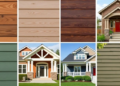
Siding materials play a crucial role in the construction industry, offering a wide array of options to enhance the aesthetic appeal and functionality of buildings. From classic wood siding to versatile vinyl and durable fiber cement, each material brings its unique characteristics to the table.
Let's delve into the realm of siding materials to uncover the secrets behind these essential components of architecture.
As we navigate through the different types of siding materials and their specific attributes, a fascinating journey awaits, shedding light on the key factors that influence the choice of siding for residential and commercial structures alike.
Types of Siding Materials
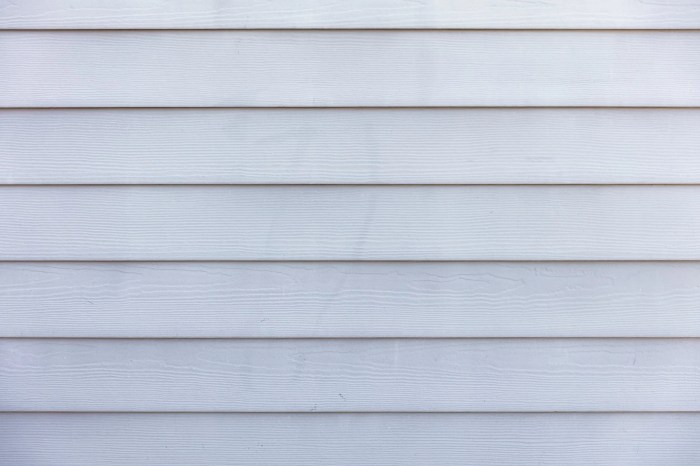
When it comes to siding materials used in construction, there are several options available, each with its own unique characteristics and benefits.
Vinyl Siding
Vinyl siding is a popular choice due to its affordability, low maintenance requirements, and versatility in terms of colors and styles. It is durable and can withstand harsh weather conditions, making it a long-lasting option for many homeowners.
Fiber Cement Siding
Fiber cement siding is known for its durability and resistance to fire, insects, and rot. It is available in a variety of textures that can mimic the look of wood or stucco, providing a high-end appearance without the high maintenance.
Wood Siding
Wood siding offers a natural and timeless look that adds warmth and character to a home. While it requires more maintenance compared to other materials, it can be stained or painted to match any design preference.
Brick Siding
Brick siding is a classic choice that is known for its durability and low maintenance. It provides excellent insulation and can last for decades without needing to be replaced. However, it tends to be more expensive upfront compared to other materials.
Aluminum Siding
Aluminum siding is lightweight, easy to install, and resistant to rust and corrosion. It is a cost-effective option that offers good durability and requires minimal maintenance. However, it may dent easily and may not offer as much insulation as other materials.
Wood Siding
Wood siding is a popular choice in construction due to its natural beauty, versatility, and durability. It provides a classic and timeless look to buildings, enhancing their aesthetic appeal.
Common Wood Species Used for Siding
- Cedar: Known for its natural resistance to decay and insects, cedar wood siding is a popular choice for its durability and low maintenance requirements.
- Pine: Pine wood siding is cost-effective and readily available, making it a common choice for siding projects. However, it requires regular maintenance to prevent rot and decay.
- Redwood: Redwood siding offers natural resistance to moisture, decay, and insects, making it a durable and long-lasting option for siding material.
- Cypress: Cypress wood siding is valued for its natural preservatives that make it resistant to rot, decay, and insects. It is a popular choice for areas with high humidity.
Maintenance Procedures for Wood Siding
Proper maintenance is essential to prolong the lifespan of wood siding and keep it looking its best. Here are some key maintenance procedures:
- Regularly inspect the siding for signs of damage, such as cracks, rot, or mold, and address any issues promptly.
- Clean the siding annually using a mild detergent and water to remove dirt, mold, and mildew buildup.
- Apply a protective finish or stain to the wood siding every few years to enhance its durability and protect it from the elements.
- Trim back trees and bushes near the siding to prevent moisture buildup and potential damage.
- Keep gutters clean and ensure proper drainage to prevent water from seeping into the wood siding.
Vinyl Siding
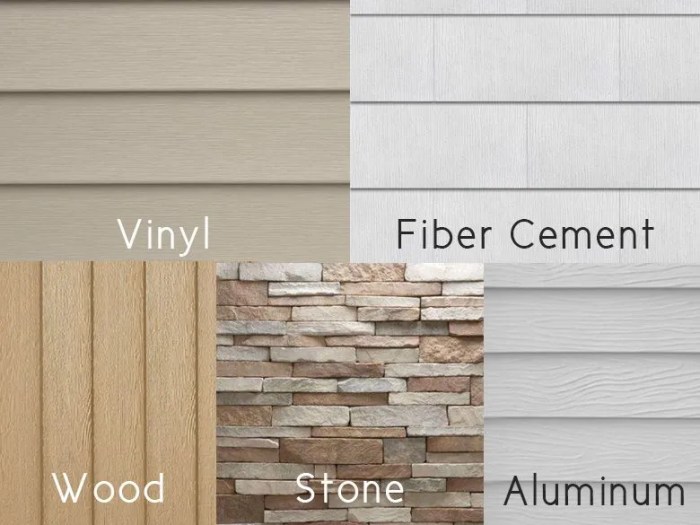
Vinyl siding is a popular choice among homeowners due to its durability, low maintenance, and cost-effectiveness
Advantages of Vinyl Siding
- Low maintenance: Vinyl siding is easy to clean with just soap and water, eliminating the need for repainting.
- Durability: Vinyl is resistant to rot, rust, and pests, ensuring a long lifespan for your home's exterior.
- Affordability: Vinyl siding is relatively inexpensive compared to other materials such as wood or fiber cement.
- Wide range of colors: Vinyl siding comes in various colors that are fade-resistant, maintaining their vibrancy for years.
Disadvantages of Vinyl Siding
- Not as environmentally friendly: Vinyl is a petroleum-based product and may not be as sustainable as other siding materials.
- Potential for cracking: Extreme temperature changes can cause vinyl siding to warp or crack over time.
- Difficulty in color change: Once installed, changing the color of vinyl siding can be challenging and may require replacement.
Installation Process and Considerations
Installing vinyl siding involves measuring, cutting, and securing the panels to the exterior of your home. Special considerations include ensuring proper insulation and moisture barrier to prevent water damage and mold growth behind the siding.
Color Options and Longevity
Vinyl siding offers a wide range of colors, from traditional neutrals to bold hues. The color options are designed to resist fading, providing long-lasting vibrancy to your home's exterior. It's essential to choose a color that complements your home's style and surroundings while considering its long-term appearance.
Fiber Cement Siding
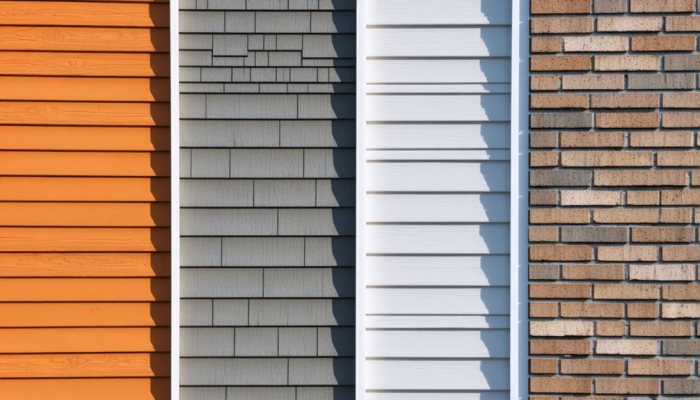
Fiber cement siding is a durable and low-maintenance material made from a combination of cement, sand, and cellulose fibers. This composition gives it the strength of concrete with the versatility of wood.
Composition and Benefits
- Resistant to fire, insects, and rot, making it a long-lasting option for homes.
- Low maintenance requirements, only needing occasional painting or cleaning.
- Available in a variety of textures and colors, providing flexibility in design options.
Applications
Fiber cement siding is most suitable for:
- Regions with extreme weather conditions, as it can withstand harsh elements like strong winds and heavy rains.
- Homes in areas prone to wildfires, as it is non-combustible and can help protect the structure.
- Historic homes or buildings where maintaining the original aesthetic is important, as fiber cement siding can mimic the look of traditional wood siding without the drawbacks.
Cost-effectiveness
While the upfront cost of fiber cement siding may be higher than other materials like vinyl or wood, it offers long-term savings due to its durability and low maintenance requirements. Additionally, it can increase the resale value of a home, making it a cost-effective investment in the long run.
Last Recap
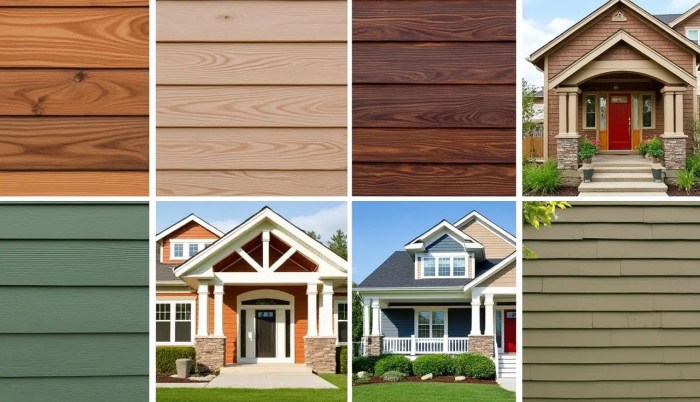
In conclusion, siding materials serve as the building blocks of exterior design, blending style with practicality to create lasting impressions. By understanding the nuances of various siding options, individuals can make informed decisions that cater to their specific needs and preferences, ensuring a harmonious integration of form and function in every architectural project.
Quick FAQs
What are the main benefits of wood siding?
Wood siding offers a natural, rustic charm, excellent insulation properties, and can be easily painted or stained to match different design preferences.
Is vinyl siding a low-maintenance option?
Yes, vinyl siding requires minimal upkeep and is resistant to rot, fading, and insect damage, making it a popular choice for many homeowners.
How does fiber cement siding compare in terms of durability?
Fiber cement siding is highly durable, resistant to fire, moisture, and pests, offering long-term protection for buildings in various climates.